
There are ten leadership skills for managers which go beyond the basic ones.
1. Changing one’s role from that of a doer to one of an enabler
Your value doesn’t lie in what you produce on your own anymore; it lies in what the team as a whole produces. It’s common for new managers to keep offering their help by taking over tasks, thereby gently limiting the team’s development. Each week ask yourself, ‘What have I enabled someone else to deliver?’
2. Managing Former Peers
The transition from being a colleague to becoming a boss happens all at once. You should clearly state this change, explain the way in which decisions will be taken, and make sure that you do not show favouritism or go too far in the other direction. Having an honest discussion at an early stage will stop months of discomfort.
3. Providing feedback which alters behaviour
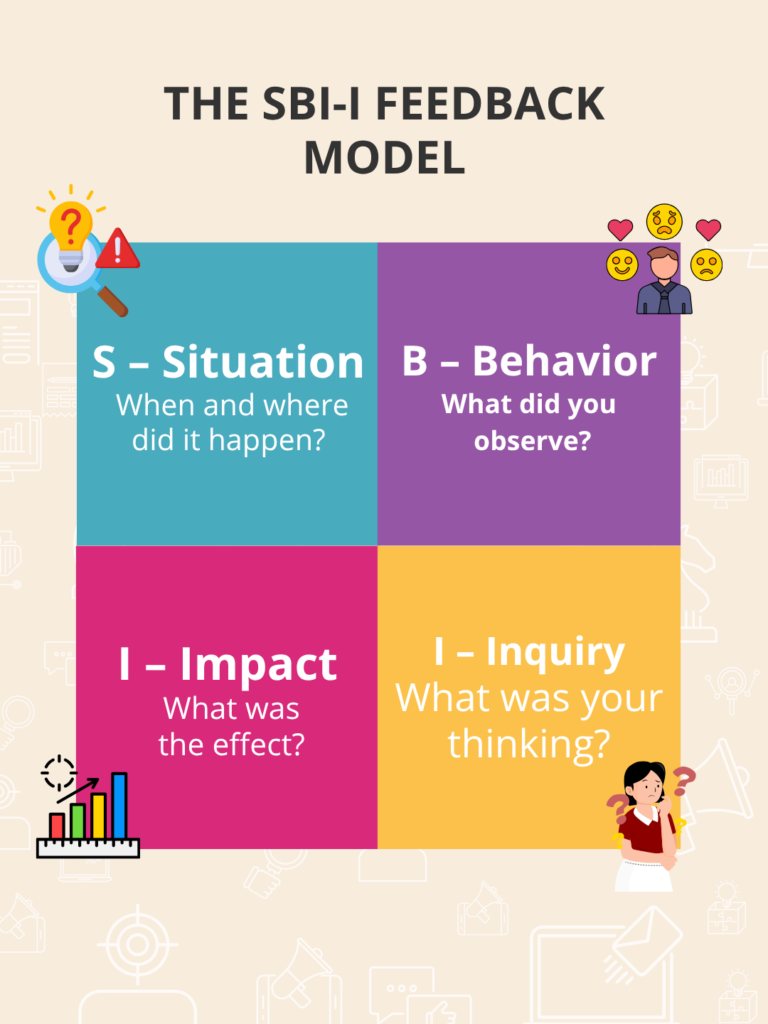
When giving feedback, follow the order of situation, behaviour, and impact, and then ask the inquiry: “What was your thinking?” Make it a practice to distinguish between observation and interpretation (“you missed three stand-ups”, not “you seem disengaged”). Feedback is most effective when it is timely, specific, and presented as a dialogue, not as a verdict.
4. Receiving feedback without defending
Try asking things such as “What could be done to make our meetings more useful?” Whenever the criticism hurts, stop and say, “Tell me more.” You can then finish the exchange by explaining what changes you’re going to make. It’s only by showing tangible action that people will continue to be honest.
5. Delegating Situationally
It’s not the case that delegation involves shifting responsibilities. Assign tasks in accordance with people’s experience: provide detailed advice to those who are new and give veterans only summaries of the outcomes. Give staff challenging work designed to develop their capabilities, not just work that you dislike.
6. Coaching Instead of Solving
Whenever a person presents a problem, do not give in to the urge to solve it right away. Instead, ask them, “What alternatives have you already thought of?” and “What action would you take if you were certain of not failing?” In this way coaching helps to develop people who can think for themselves and also decreases your own limitations.
7. Creating Psychological Safety
People perform at their best when they are able to question ideas and admit they are wrong without having to fear repercussions. To set an example, share your own mistakes, thank people for offering differing opinions, and when receiving bad news, show curiosity rather than frustration.
8. Handling Underperformance Early
Don’t judge until you have diagnosed the situation; it could be a lack of skills, poorly defined expectations, low motivation, or a personal difficulty. Each of these situations requires a different kind of response. Agree on a clear plan together and arrange for regular progress checks, making sure that progress is recorded fairly.
9. Managing Up and Across
Managing up and across means working well with your boss and with other teams. Good communication helps you solve problems and get things done. Always keep your boss informed about your progress. Ask for feedback and let them know about any issues early on. When working with other teams, be clear about your needs and listen to theirs. Build trust by following through on your promises. This makes it easier to work together and reach your goals.
The extent of your influence stems from your connections outside of your team; you should pass on your priorities to higher-ups, negotiate access to resources using data, and create allies within other departments. Managers who do a good job promoting their staff gain loyalty and credibility.
10. Knowing Yourself and Managing Your Energy
The atmosphere of the team is determined by your own mood. Find out what causes your stress, ask for feedback about your blind spots, and establish routines that help you stay balanced. Emotional intelligence in a work context starts with understanding how you behave when under pressure.
Why Structured Learning Accelerates Growth
Trial and error is a costly way of learning when actual people and real results are at stake, which is why training for first-time managers is one of the best investments an organisation can make; by using role-plays and realistic situations, new managers get a chance to practise difficult conversations before the pressure rises.
The manager training programme that we first offer through People Konnect includes hands-on workshops, learning from your fellow participants, and expert coaching so that you can put the lessons into practice the very next day. For those leaders who want to have a broader impact, the leadership development training enhances your ability to think strategically, exert influence, and build a strong leadership presence over the long term.
Quick Tips for Your First 90 Days
In the first two weeks, arrange one-on-one meetings with each member of your team. Find out from each individual what activities you should begin, what ones you should cease, and what you should keep going. Set aside the difficult conversation that you have been putting off. Get someone to act as your mentor who has successfully undergone this change.
Final Thoughts
Good managers aren’t expected to have all the answers; instead, they create teams that flourish as a result of the way they lead. Choose two or three of these abilities, practice them deliberately, and continue to learn.
If you’re ready to lead with confidence, why not take a look at the programmes offered by People Konnect and move on to the next stage in your leadership journey?